Single Line Pig Wearing a Hat Embroidery Design Review
A Simple Silhouette with Farmhouse Charm
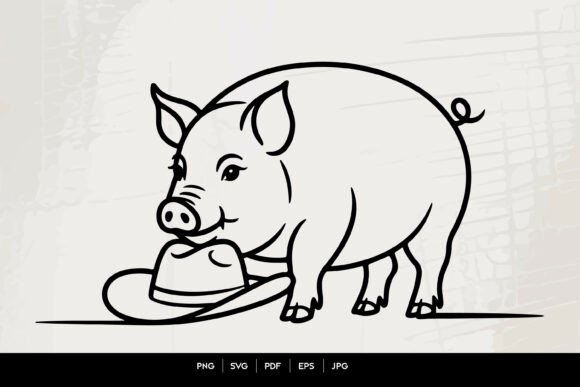
The Single Line Pig Wearing a Hat design immediately brings a sense of whimsy and simplicity to any embroidery project. As a designer who has worked on countless custom pieces, I can say that this line drawing feels like a perfect blend of minimalism and character. The pig’s posture and the hat add a touch of personality without overcomplicating the composition. It's not just a pig—it’s a storytelling element in itself.
This single-line approach makes it incredibly versatile. Whether you're thinking of using it for custom apparel, sweatshirt embroidery, or even embroidered patches, the clean lines ensure it won’t overwhelm the fabric or the overall look of the finished product.
How It Stands Up in Real Projects
I recently tested this design on a tote bag intended for a local farm-themed boutique. The pig was embroidered using a running stitch technique on a light cotton fabric. The result was charming—clear, well-defined, and visually balanced. The hat detail added enough interest to make the piece feel intentional rather than generic.
For handmade products, especially those aimed at younger audiences or farmhouse decor, this design is a natural fit. It could easily be adapted into a baby embroidery motif or used as part of a larger nursery decor theme. Its small footprint also means it works well on smaller items like pillow covers, kitchen towels, or even cap designs.
When it comes to commercial embroidery, the design maintains a professional appearance. It doesn’t require too much detail, which is great for high-volume production. However, I would recommend testing it on different fabrics first to see how the thread colors and stabilizer affect the final outcome.
Where to Use with Caution
While this design is adaptable, there are certain situations where it might need more attention. For instance, if you're working with small hoop sizes, the pig’s features might get lost in the details. Similarly, on textured fabrics or thin materials, the stitch density could become an issue. I suggest using a good quality stabilizer to prevent puckering or distortion.
Another thing to consider is the background fabric color. The Single Line Pig Wearing a Hat works best on light-colored fabrics where the contrast between the thread and fabric is clear. If you plan to use it on dark fabric, be sure to test it with a few thread colors to find the most effective one.
Also, when applying it to curved surfaces like caps or hats, you may need to adjust the design slightly to maintain its integrity. Detailed corners or tiny lettering near the pig’s head could be tricky to stitch accurately, so it’s worth reviewing the embroidery file closely before proceeding.
Design Notes for Embroidery Professionals
If you're planning to use this design in your craft business or for Etsy sellers, here are a few practical tips:
- Test on scrap fabric first to check how the stitches look in real life.
- Review the stitch density to ensure it won't cause issues during production.
- Check the hoop size required for the design to avoid unnecessary complications.
- Use proper stabilizer to keep the fabric from shifting or puckering.
- Compare light and dark fabric backgrounds to determine the best thread color.
- Confirm licensing before selling finished items or digital products.
It's also a good idea to create printable mockups to show clients how the design will appear on their chosen product. This helps set expectations and increases customer trust.
Final Thoughts: A Versatile Addition to Your Design Library
The Single Line Pig Wearing a Hat is a solid choice for anyone looking to add a touch of charm to their embroidery projects. It’s simple enough to work on a variety of items but still carries enough personality to stand out. Whether you’re making personalized gifts, small shop products, or digital design assets, this design offers a unique and appealing option.
As always, I recommend taking the time to review the embroidery file thoroughly and testing it on fabric before committing to a full run. With a little preparation, this design can be a valuable addition to your design assets and help elevate your handmade products.